Monsoon to Arrive in North Bengal Within 3-4 Days: IMD
The southwest monsoon is set to arrive in North Bengal’s sub-Himalayan districts within three to four days, according to the IMD, with heavy rainfall expected across the region.
 Admin
0 comments
Admin
0 comments
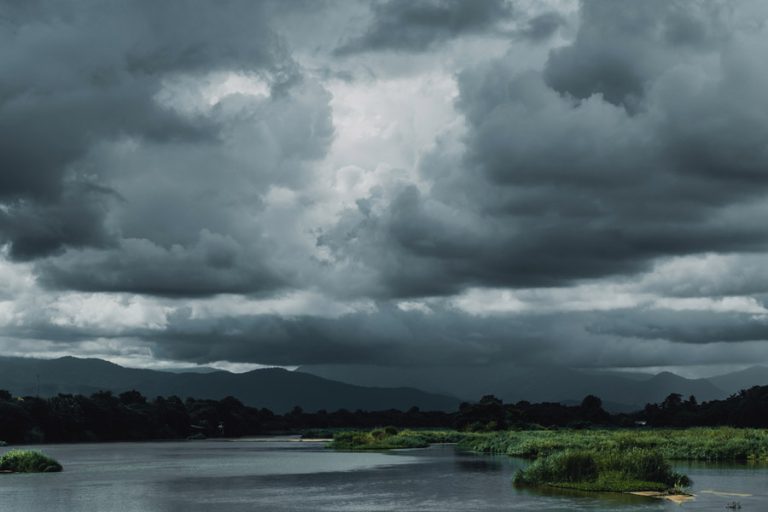
The India Meteorological Department (IMD) announced on Monday that the southwest monsoon is likely to reach West Bengal’s sub-Himalayan districts, including Darjeeling, Kalimpong, and Jalpaiguri, within the next three to four days. This forecast comes amid pre-monsoon rainfall already affecting the northern parts of the state.
The IMD’s bulletin confirmed that conditions remain favourable for the monsoon’s expected arrival, although it is delayed from the usual entry date of June 6. The meteorological department has warned residents of heavy downpour in the region shortly.
As the monsoon approaches, the weather in southern Bengal has continued to feel humid, despite some rain. Over the next two days, heavy rainfall is likely in the sub-Himalayan districts including Darjeeling, Kalimpong, Jalpaiguri, Alipurduar, and Cooch Behar, according to the IMD.
During the past 24 hours, rainfall measurements highlighted Alipurduar, bordering Assam, as the region receiving the heaviest precipitation, registering 133 mm. The IMD reported additional rainfall amounts, with Jalpaiguri recording 53 mm, Cooch Behar 18 mm, and Kalimpong 19 mm, while Darjeeling received 7.8 mm.
The impending arrival of the southwest monsoon is crucial for agriculture in the region, as it ensures moisture for crops vital to the local economy. Farmers eagerly await the rains, which play a significant role in determining the agricultural yield for the year.
The IMD will continue to monitor the situation closely, providing updates as weather conditions evolve. Residents in the affected districts should prepare for potential flooding and take necessary precautions to safeguard their property and well-being.
In summary, with the southwest monsoon expected to make its entry into North Bengal in just a few days, local authorities encourage preparedness among citizens and farmers alike. This annual weather event not only transforms the landscape but also significantly impacts the agricultural practices and livelihoods in the region.