Congress Stands Firm Against Post-Facto Environmental Clearances
The Congress party reaffirms its commitment to defending environmental laws, resisting any attempts to expand post-facto environmental clearances, following a Supreme Court verdict.
 Admin
0 comments
Admin
0 comments
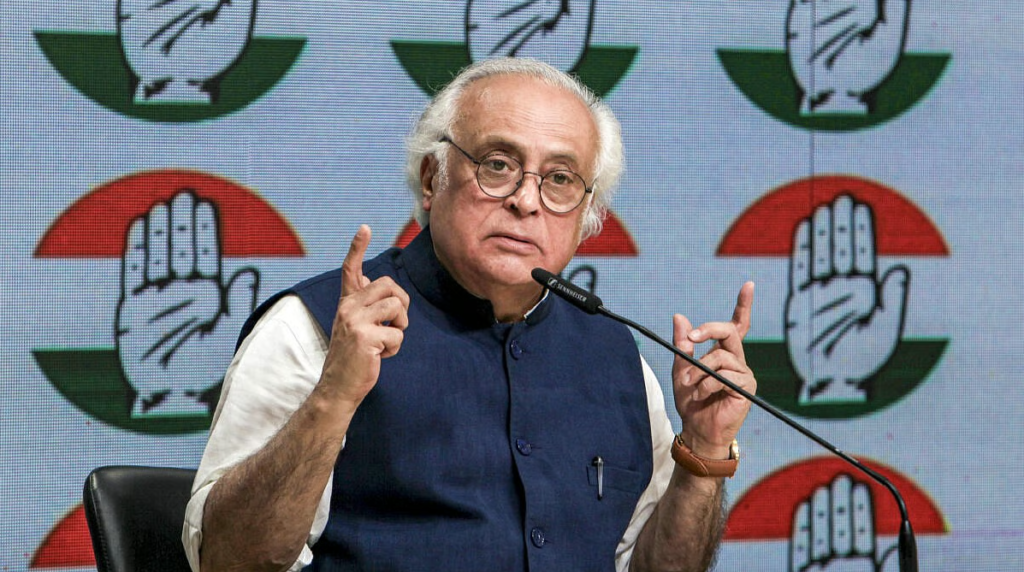
The Congress party reiterated its unwavering commitment to resisting attempts to broaden the scope of post-facto environmental clearances on Thursday. This statement came after the Supreme Court reaffirmed the need for strong environmental protections while quashing a controversial 2021 office memorandum.
On Wednesday, the highest court in India invalidated the memorandum, which allowed retrospective environmental clearances for projects that proceeded without prior approvals. The Supreme Court stated that administrative orders cannot alter essential environmental safeguards.
Congress leader and former Minister of Environment, Jairam Ramesh, expressed that the ruling marks a significant step in reinforcing environmental law. “The Supreme Court held that prior environmental clearance is mandatory”, he stated, emphasizing that mechanisms created by the memorandum undermined the integrity of the Environmental Impact Assessment (EIA) process.
Ramesh pointed out that this judgment not only reinforces environmental sustainability but highlights vital principles like the right to a clean environment. In his remarks on social media platform X, he stated, “Post-facto approval mechanisms reward illegality, which violates sustainable development principles.”
Following the Supreme Court’s decision, the Union Government sought a review, arguing that the judgment could hinder ongoing projects already in motion without necessary clearances. Ramesh noted that a three-judge bench entertained this review without a detailed explanation, leading to concerns about environmental law being reinterpreted.
During the deliberations, Justice Ujjal Bhuyan, who dissented, stressed that “there is no concept of ex-post facto environmental clearance in environmental law.” This indicates a strong judicial sentiment against loosening the parameters for environmental clearances.
The Supreme Court’s verdict serves as a crucial reminder that the executive cannot override statutory regulations. The court, while allowing a statutory mechanism for post-facto clearances in ‘exceptional circumstances’, cautioned against using this provision indiscriminately.
Ramesh highlighted the environmental challenges facing communities from regions like Great Nicobar to the Ken-Betwa river project. He condemned the approach of treating environmental laws as hurdles rather than vital regulations. “Communities are rising against the disregard for environmental compliance,” he added.
The Congress party continues to bolster its stance, asserting that it will not support broadening the scope for post-facto environmental clearances. Ramesh noted, “We will remain steadfast in defending the core principles of environmental law, which are vital for the marginalized.”
The Supreme Court also addressed the matter of ongoing projects and ruled that while the memorandum is invalid, it allows the central government sufficient latitude under Section 3 of the Environment (Protection) Act, 1986, to formulate appropriate guidelines aimed at balancing public interest with environmental protection.
Some projects affected by this ruling include large-scale infrastructure initiatives like the AIIMS Medical College and Hospital in Odisha and the Centre of Excellence for Cancer Diseases in Tamil Nadu.
The bench noted, “The judgment will apply prospectively to prevent punishing projects that relied on the earlier framework.” This provides a crucial lifeline to projects navigating the murky waters of compliance.
Supreme Court judges collectively stressed the balance between environmental rights and developmental aspirations. They highlighted the need for eco-centric principles in their judgment, invoking the Gandhian approach of sustainability and respect for nature, “the world has enough for everyone’s need, but not enough for everyone’s greed.”