Supreme Court Orders CBI to Probe Advocate’s Degree Authenticity
The Supreme Court has instructed the CBI to investigate the authenticity of an advocate’s degree after allegations of forgery by Magadh University surfaced.
 Admin
0 comments
Admin
0 comments
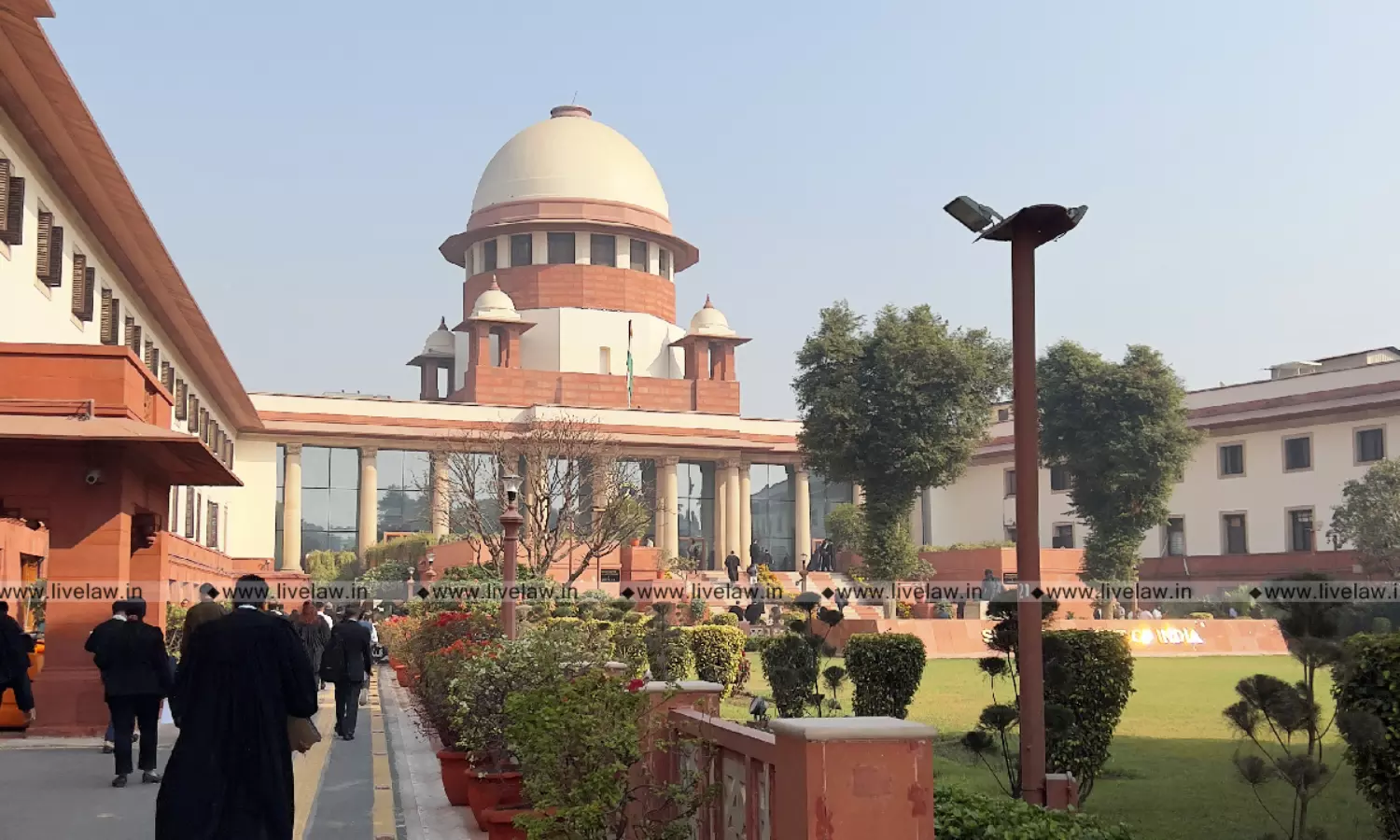
The Supreme Court of India has directed the Central Bureau of Investigation (CBI) to probe the authenticity of an advocate’s degree amid claims from Magadh University that his educational certificates were forged. This instruction came on September 15, 2023, as the court reviewed an appeal related to the Bar Council of India’s disciplinary committee decision.
Details of the Court’s Directive
A bench comprising Justices Manoj Misra and Ujjal Bhuyan took cognizance of a letter from Magadh University’s controller of examinations. The letter stated that the marksheet and Bachelor of Commerce (B.Com) degree of the advocate in question were “forged and not issued by the university.” With these serious allegations at hand, the court emphasized the need for a thorough investigation.
Background of the Case
As part of the proceedings, the advocate was asked to present photocopies of the degrees he claimed, including his qualifications in commerce and law. He produced a photocopy asserting that he completed his B.Com (Honours) from Magadh University in August 1991.
However, the lawyer contended that the university records were damaged, complicating the verification process. The bench noted, “We deem it appropriate to require the Central Bureau of Investigation, Delhi, to investigate and ascertain whether the degree set up by the Petitioner is genuine or forged.”
CPI’s Role in Investigation
The Supreme Court’s directive to the CBI aims to clarify the legitimacy of the advocate’s claims, ensuring that justice prevails. The court instructed the CBI to assign an officer to lead the investigation and submit a detailed report by November 3, 2023. This move signifies the court’s commitment to upholding the integrity of legal education and profession.
In recent years, cases involving the authenticity of educational credentials have become increasingly common, raising concerns over the credibility of professionals in the legal field. The outcome of this investigation could set a precedent for similar cases across India.
Importance of Educational Credential Verification
Verification of educational credentials is crucial not only for maintaining professional standards but also for public trust in the legal system. According to a survey by the World Education Services, more than 30% of job applications contain falsified credentials. This statistic underlines the necessity for institutions to rigorously verify the authenticity of degrees.
Furthermore, ensuring that legal professionals possess legitimate educational qualifications is vital for fostering a trustworthy judicial system. The Supreme Court’s involvement in such matters underscores the importance of thorough oversight in maintaining the ethical standards of the profession.
The impact of the decision made on November 3 will be closely monitored, and it may prompt other institutions in India to review and strengthen their verification processes for educational qualifications.
The allegations against the advocate highlight the broader issue of educational fraud and its implications within the legal community.